
Tag Archives: Consumer Proposals
Financial Emergency Preparedness

No one really wants to think about the mishaps, misadventures and catastrophes life can sometimes throw our way. At some point, however, most of us will have to face an unforeseen challenge. In an attempt to cushion yourself against those potential financial blows here are a few areas you’ll want to consider when making a financial emergency plan:
Savings: Most financial types recommend having between three and six months of expenses set aside. This varies if you have dependants, a spouse or a large amount of debt. If you’re starting from scratch the key is to take small steps; your savings goal will take some time. For some ideas on how to get started check out our How to Start Saving post. Emergency savings should cover an unexpected loss of income (a very common reason for financial hardship), or sudden necessary expenses like medical costs or home and auto repairs.
Insurance: Nowadays you can get insurance on pretty well anything – this isn’t necessarily our suggestion. But having the right types of insurance in case the unexpected should happen can really help avert a financial disaster. Even if you don’t own much, consider whether or not you could afford to replace all your belongings in the event of a fire. If you’re a stay-at-home parent with a family, keep in mind what it would cost for your loved ones to pay someone to do all the things you’re currently providing. Basic types of insurance you’ll want to check into would cover your possessions and yes, your life. To ensure you choose what’s best for your needs contact a reputable broker or advisor. You’ll also want to periodically review insurance policies in place and make sure your coverage is still appropriate.
Wills: Regardless of your bank account balance, everyone has an expiration date. Rich or poor, not having a will (especially if you have children) can leave your loved ones dealing with costs and court – in short, a mess. A basic will should cover who would be appointed guardian of any children, what would happen to your possessions and who would be in charge. If you’ve never had a will written before you may be surprised by the scenarios you’ll want to consider. A lawyer or notary public can assist you in preparing a legal will. If you’ve already got one but have had any major life changes (such as a new marriage), be sure that your will is still valid and reflects your wishes. Some people will also want to consider whether or not having extra measures such as a living will or power of attorney is appropriate.
Even when outside factors like the economy are looking up, knowing that you have a sound financial Plan B will hopefully allow you to rest easier and get out and enjoy life!
To meet with a licensed trustee in your area for a confidential, free consultation regarding debt resolution options please contact us.
BC only Province to Increase Debt: Global News Reports

As reported by Global News last week, on average, Canadians appear to be reducing their debts. According to Transunion, the national average non-mortgage debt has decreased from the end of last year – good news for Canadians, with the exception of British Columbia residents.
Here in BC our debt has actually increased, we’re the only province to have done so and it’s landed us with an average non-mortgage debt of almost $39,000.
Our very own Blair Mantin spoke with Global News about the figures, citing that the reason may be in part due to the lack of awareness that British Columbians have regarding dealing with their debts.
To read more and watch the full news clip please click here.
If you would like to speak with a local licensed trustee regarding your debt solution options please contact us for a free, confidential consultation.
Who’s Handling your Debt?

The operator of a debt counseling company recently made press headlines after several lawsuits were made by those who had purchased licenses from him which would allow the licensee to provide debt-pooling services. Debt-pooling businesses offer to help people with unmanageable debts by consolidating the monthly payments and negotiating with creditors on their behalf for a fee. The most common arrangements require individuals to pay off all of their debts in full over a five-year period, usually with some interest relief negotiated with the creditors.
As reported, the licensees say they were promised training as well as customer leads and could expect to earn $50,000 to $75,000 in revenue during their first year. They claim that in actuality, the training was minimal and the prospective clients they were sent had often not requested any assistance. Furthermore, many licensees were unaware that they were engaged in debt consulting with clients without holding the proper license required by Consumer Protection BC.
Although the business owner claimed affiliation with both a major credit card company and a Canadian industry lobby group – both relationships have been denied by the actual organizations. Previous narcotic trafficking charges, a cease-and-desist order from a BC Financial Institutions Commissions investigation as well as unpaid judgments have also come to light. Most surprisingly, the debt-pooler remains in good standing with Consumer Protection BC.
The number of unregulated debt consultants in Canada has risen dramatically the past few years, prompting several provinces to introduce legislation to protect their residents. As British Columbia has yet to follow suit, those searching for debt management strategies are advised to proceed with caution when entering into debt settlement agreements or programs.
Tips to keep in mind when researching debt solutions providers:
- Is the organization or company local and able to meet with you face-to-face?
- Are there up-front fees for their services? Are the fees regulated?
- Is the company overseen by a government body?
- Is your settlement legally binding on creditors? Will it cease collection or legal action?
- If being offered a Consumer Proposal – is it by a Trustee? (Only trustees are licensed to administer Consumer Proposals)
To find out more about debt resolution options a federally licensed Trustee can assist you with please contact us for a free and confidential consultation.
Click here to read the article from the Vancouver Sun.
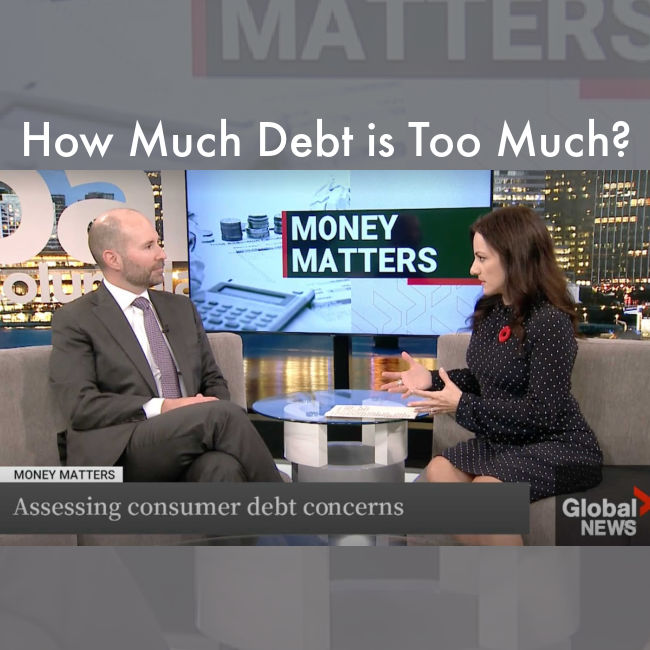
Blair Mantin Talks Debt on Global TV’s BC 1

The recent TransUnion report outlining British Columbia’s rising debt, in contrast to the nation’s debt reduction, was a key topic on Tuesday evening’s edition of Global TV’s Top Story news program. Blair Mantin, Sands & Associates Vice-President was on hand to discuss some of the particulars of the TransUnion report as well as to shed some light on consumer debt issues in BC.
An explanation of Consumer Proposals, differences between debt consultants and licensed trustees as well as a cautionary note about cashing in RRSPs to pay down debt were covered in the segment hosted by Michael Eckford.
To watch the segment below, please scroll to 17:00.
To find out more about debt management options available to you please contact us for a free, confidential consultation.
Wedding Season: Engaging Your Budget

With wedding season upon us, many a guest may be wondering how they will manage a summer of events without breaking the bank. From dress code-appropriate duds to gift registry to accommodation, it would seem that the happy couple aren’t the only ones making a commitment. For some tips to help you survive wedding season with your budget intact, read on:
Prioritizing: Most people understand the fact that a wedding isn’t usually as simple as just a ceremony followed by a reception. Oftentimes it also means a bridal shower, bachelor or bachelorette party, and possibly even a post-wedding gift opening or brunch. With so many events for a single set of nuptials you may want to prioritize which ones you’ll attend. If it’s a close friend, chances are you’ll hit every gathering; your third cousin who lives out of town, probably not. As the invites roll in, decide what you are and aren’t prepared to take part in.
Saving up: Several weddings on your calendar? Pull out your calculator and divvy up the costs ahead of time. Set a manageable budget for each one and stick to it! Put aside the funds over time so you’re not left trying to do it all in one paycheque. Also, if you happen to find any incidentals at a great price (e.g. cards, gifts), be sure to stock up.
Gift Giving: If the couple is registered for gifts, check out their registry early to nab one of the better (and most financially practical) items chosen. Consider using your time as a gift alternative. For example, if you have a flair for flowers offer to assist with the décor as your gift – get creative with it. Group gifts are also a great way to give something big within several people’s budgets.
Out of Town Costs: If you’re hitting the road, find a travel buddy (or another couple) to split gas, tolls and parking. Share a suite if you’ll be staying overnight or for the weekend. No discounted group hotel rate offered by the happy couple? Maybe they haven’t had time to organize it – offer to do so for them. It’ll only take a few minutes and you’ll gain brownie points and save money!
Dressing the Part: It can be very tempting to buy a new outfit each and every time an invitation hits your mailbox – needless to say that can really add up! Instead, consider something you can change up with accessories. One black dress can get great mileage and variety by adding a scarf, an eye-catching handbag or standout shoes.
Nobody wants their happy occasion turning into a financial nightmare for someone else. If you’re not getting married but are stressing about the big day, take a big breath and give our tips a try. Your bank account will thank you while you enjoy the mid-reception toasts – cheers!
Feeling married to your debts? Contact us for a free, confidential consultation to discuss your financial options.
Personal Bankruptcy Rates Drop in BC as Consumer Proposal Filings Continue to Rise

Sands & Associates, BC’s largest firm of licensed trustees in bankruptcy and administrators of consumer proposals, has compiled region specific numbers from the Office of the Superintendent of Bankruptcy, indicating insolvency rates from seventeen major regions in BC. The data covers the 2011 to 2012 period, and is based on the growth or decrease of personal bankruptcy and consumer proposal filings within each region.
Sands & Associates’ analysis follows Equifax’s latest report on Consumer Credit Trends showing that Canadians continue to pile on debt, where BC consumers currently hold an average of $37,244 in non-mortgage debt, among the highest in the nation. Sands & Associates reports BC saw an overall drop in personal bankruptcy filings as an option of debt settlement, by 4.6 percent from 2011 to 2012. Interestingly, over the same time period, the overall number of consumer proposal filings as an option of debt consolidation rose by 16.06 percent in BC.
These numbers reflect the same trend as the previous years from 2010 to 2011, where bankruptcies decreased by 16.7 percent, and consumer proposal filings increased by 23.9 percent.
According to Sands & Associates, the top regions in BC who experienced a decrease in bankruptcy filings from 2011 to 2012, include:
- White Rock: -21.93%
- East Vancouver: -18.42%
- Burnaby: – 16.15%
The top regions in BC who experienced a spike in consumer proposal filings from 2011 to 2012, include:
- White Rock: 48.72%
- New West / South Burnaby: 48.72%
- Langley: 31.97%
While bankruptcies continue to drop, the increase in consumer proposal rates indicate that consumer indebtedness is still very much a problem in the province, but that consumers are beginning to act on their debts sooner. Bankruptcies are often filed as a final resort to amend a financial situation, whereas consumer proposals can be filed early in the stage of insolvency, as a bargaining tool to pay back creditors an affordable amount.
Blair Mantin, VP of Sands & Associates shares, “There’s been a big push to build awareness around consumer debt in the province. As people become more educated on their options and on debt in general, it is leading them to take the initiative to act sooner.”
He adds, “We saw the same pattern last year, with consumer proposal filings becoming the preferred option for debt settlement. So although debt levels are still a concern for many, it seems that consumers are taking the initiative to proactively deal with their debt.”
Mantin predicts that with continued awareness, personal bankruptcy filings in BC will continue to see a decrease as consumers take control of their debts.
To meet with a Trustee in your area regarding debt resolution options please contact us for a free and confidential consultation.
Suddenly Bankrupt: Financial Post reports

According to credit bureau TransUnion, the majority of bankruptcies (as much as 70 percent) are being filed by individuals with a strong credit score. Credit industry experts refer to the overnight switch as a ‘surprise bankruptcy’, a phenomenon that’s been increasing for at least a decade.
While credit scores were supposed to be one of the key tools for lenders to determine financial health, it seems that credit ratings may not be much of an indicator now.
As reported by the Financial Post, the variety of credit options as well as low interest rates have enabled borrowers to carry much more debt than they could have done previously – and allowed them to shuffle payments to avoid late penalties. Blair Mantin, Trustee and VP at Sands & Associates is quoted in the article and notes that individuals may maintain that perfect credit score right up until the time they seek assistance with their debts.
To read the full article please click here.
To speak with a licensed trustee regarding your debt options please contact us for a free, confidential consultation.
Guest Blog: Keys to Good Financial Planning

A financial plan is like a roadmap. When you move to a new city, or travel to an area that you’re unfamiliar with, you need to chart the way to your next destination. It’s the same with financial planning. Here to help you navigate, with some pointers on how to set your course, is financial planner and guest blogger Christine Conway.
Why might you need a financial planner? Well, they’ll start by taking a look at where you are now, where you want to go and will identify obstacles that may be in your way. If you’re heading off course, your financial planner will know where the road you’re currently on will lead.
When selecting your financial planner, the first thing that you’ll what to look for is a professional designation. In Canada, anyone can call themselves a financial planner, without necessarily having gone through adequate training. The Certified Financial Planner designation (CFP) is internationally recognized and viewed as the standard for financial planning. To be awarded this designation, the planner must pass standardized tests, have work experience in the field and abide by a code of conduct that puts the client’s best interest ahead of their own. The planner must also stay up to date on changes in the industry through continuing education in order to maintain use of the designation.
It’s also helpful to look for a financial planner who works with an independently owned firm. They are able to provide an objective opinion and offer a wide range of products. If the planner seems more interested in making a sale than getting to know you and your financial situation, you may want to seek assistance elsewhere!
In marriage or common-law relationships, it’s important to be aware of the different attitudes that you and your partner have towards money. Does your partner always need to have the latest new toy or are they continually updating their wardrobe? If so, they may be someone who enjoys the immediate benefits of spending money now, over long-term benefits. Have a discussion and set short-, medium- and long-term goals together, making sure that you both value what you will be working towards. As an example, short-term goals may involve paying off debt, which might seem like more of a pain than pleasure, but would free up cash flow to save to buy a new car or home.
In addition to savings, good financial planning is about protecting your income and assets. For example, making sure that you would still have money coming in if you were unable to work due to illness or injury, your planner could help you identify and implement an appropriate disability or critical illness plan.
You may want to contact a designated financial planner if you:
- Want assistance prioritizing your short-, medium- and long-term goals;
- Don’t have a pension plan at work and need to save for retirement on your own;
- Do have a pension, but aren’t sure if it will be enough;
- Don’t have disability or critical illness insurance through your employer.
Christine Conway, CFP, CHS, is a designated Certified Financial Planner and Certified Health Insurance Specialist. She works for Braun Financial Services, an independent financial planning firm in New Westminster, B.C. Christine also serves as the President of the New Westminster Chamber of Commerce.
To arrange a free, confidential consultation regarding available debt resolution options please contact us.
Small and Easy Ways to Save

So, you’ve decided to start saving. The accounts are ready and the goals are set — you just need a few more ideas on where the extra money is going to come from. To get those saving wheels turning, we’ve put together a list of 10 simple tips to boost your savings:
Round it up: Every time you make a purchase (say, $24.20), round up to the next dollar and transfer the difference into your savings account (in this case, $0.80). There are actually bank accounts set up to help you do this. While the savings seem so small, and therefore painless, they really add up over time.
Start a change jar: You probably don’t use a lot of cash anymore, but when you do chances are you’re accumulating a lot of change that will just weigh down your back pocket. Make a habit of tossing your leftover change into a jar at the end of the day. When it’s nearly full (that’s right!) roll it and take it to the bank.
Make it fun: Set a game for yourself like, “I have to save any 2010 loonies I get” and change the denomination and year every so often to keep yourself on your toes. This is something you can even get your spouse or kids to do. Have a family challenge to see who can find the most in a three-month period.
Ditch fees: Tacking on a late charge or user fee to something you’ve already paid for is beyond frustrating. Carefully read contracts to avoid paying more than you need to and make sure you understand any potential service fees before signing up.
Embrace community resources: If you’re an avid reader, get a library card. Love to socialize? Find a volunteer program. Nearly every community will have resources, programs or events that are not only cost-effective but nearby, making them convenient and cheap to travel to.
Cut out the coffee run: If caffeine is your friend we don’t mean you should cut it out altogether — just those quick trips that add up during the week. If you’re tempted by the coffee shop down the street bring a thermos of self-made fuel from home, and maybe even your own homemade treats if you’re really planning.
Lower your utility costs: Call your service providers (cell phone, cable, etc.) and make sure that you’re actually getting the best deal for your dollar. If you think you can cut back on something, reduce the cost, or cancel it altogether, then do it. Small things like curbing unnecessary electricity use can also make a difference.
Don’t be afraid to ask: Whether you’re booking a trip or negotiating with a service provider, it doesn’t hurt to ask for a discounted rate or if there is a way to reduce the price. If you don’t ask, you won’t know and speaking up can definitely save you money!
Meal plan: If you find that you’re regularly throwing money at the “What’s for dinner?” question then try to get into the habit of planning your meals for the week. When hitting the grocery store, get only what’s on your list for the week’s meals. If you’re feeling really ambitious then make double or triple batches of dinners to use for lunch or to store in the freezer for the next time you’re in a dinner bind.
Master the timed decision: Before tossing something into your shopping cart, hang onto it for 10 seconds and decide if you actually need it. Need, not want. If you’re looking at big-ticket items (a new mobile device, for example), change it from 10 seconds to 30 days. This will also allow you extra time to compare prices.
Whether your savings goals are big or small, it doesn’t have to be an agonizing process. Simple, small adjustments can yield amazing results; your creativity is the limit. Once you’ve met a few of your savings goals, chances are you’ll have even more motivation to keep with it. Save on, friends, save on!
Please contact us if you would like to arrange a free, confidential consultation to discuss your debt resolution options.
Joe Debtor: New Study Findings
The results of Ontario trustee Hoyes Michalos’ 2013 study on the average insolvent debtor were released this week. The findings show that the average bankrupt is not only getting older but has growing debt levels.
While a typical insolvent person is a 43-year old male carrying over $61,000 in unsecured debt, the highest debt levels were amongst those aged 50 to 59, where unsecured debt was more than $84,000. The average unsecured debt in this ‘pre-retirement’ age group reflected a 14% increase over the prior two-year period previously reviewed and is 38% higher than that of the average insolvent debtor.
Expenses associated with supporting both their children and aging parents combined with earning an income lower than younger Canadians are a few of the reasons pre-retirement debtors hold such a large amount of debts.

Via: Hoyes Michalos and Associates Ontario Personal Bankruptcy Blog
To read the full Joe Debtor Study please click here.
To arrange a free, confidential consultation regarding your debt management options please contact us.