If you’re feeling nervous about asking for debt help, know that you’ve come to the right place.
Our qualified local debt help team of Licensed Insolvency Trustees and Estate Managers have decades’ worth of experience in debt management and offer real solutions in a straight-forward, friendly manner. Book your confidential free debt consultation with a Sands & Associates debt expert in our Abbotsford office today and find out how you can become debt-free!
Unit 1408
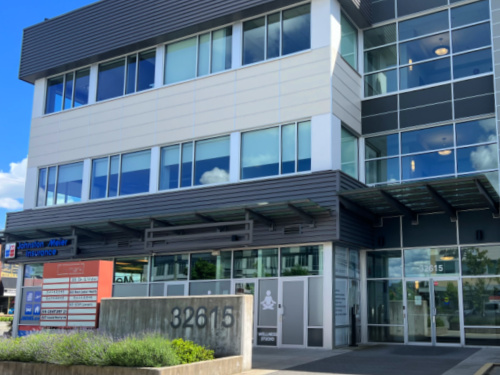
32615 South Fraser Way
Abbotsford, BC V2T 1X8
Located in Backbone Executive Offices.
Sands & Associates' Abbotsford office is located in Backbone Executive Offices, at South Fraser Way and Allwood Street. Our entrance is at the rear of the building accessible off Allwood Street, with ample free parking.
Monday: 8:30am to 7:00pm
Tuesday: 8:30am to 7:00pm
Wednesday: 8:30am to 7:00pm
Thursday: 8:30am to 7:00pm
Friday: 8:30am to 7:00pm
Saturday: 8:30am to 5:30pm
Sunday: 8:30am to 5:30pm
(Excluding statutory holiday weekends)
------
Please allow us to offer you the best service possible by calling or emailing ahead, as immediate walk-in service may be delayed. Complete telephone and video conferencing support is available during business hours.
If you answered ‘yes’ to any of these questions, or if you have other questions about getting help to manage personal or business debts – Sands & Associates is here for you. As Licensed Insolvency Trustees (sometimes called Trustees in Bankruptcy), we are fully qualified government-licensed experts in debt help services. Sands & Associates’ Abbotsford Licensed Insolvency Trustees work with you to find the best debt solution for you and your specific situation.
Explore options like debt consolidation, Consumer Proposals and bankruptcy services – we’ve been helping people become debt-free since 1990.
Book your free consultation today to get advice from our caring, non-judgmental debt professionals in Abbotsford. In less than an hour we can work with you to find a debt solution that meets all of your needs – your financial fresh start awaits!

Sonja
"It was a friend that saw I wasn't getting any better that told me about Sands & Associates. I swallowed my pride thinking how much worse can it get and went for the first meeting which is free of charge. I was treated by respectful caring staff helping me make the right choices on my way of being debt free. I highly recommend Sands & Associates and am forever grateful for their clear and professional help."
Geoffrey
“I had a great experience with your Cindy Wortley. The process was very easy and Cindy made it very comfortable for us to discuss our situation."
Stewart
"I was made to feel very comfortable considering the situation I was in. Karen Wright was amazing and explained everything quite clearly."
Kara
"During one of the most challenging times in my life they gave me the support I needed to rebuilding my finances. Professional and knowledgeable service. I have learned a lot from them and continue to be encouraged to continue my upward momentum."
Mike
"I was very unsure about going to a company and revealing my financial situation. They were very quick to put me at ease and were very professional. After going through all the options we decided that a Consumer Proposal was right for me. My counsellor was very quick to get the ball rolling and came up with a repayment plan that saved me $55,000 off my debt."
Deanna
"I would recommend Sands & Associates to anyone that finds themselves struggling to repay debt. They made the process extremely easy and they were very friendly and beyond helpful."


In addition to being a Senior Vice President of Sands & Associates, a Licensed Insolvency Trustee and Chartered Professional Accountant, Raj is a Certified Management Accountant and Chartered Insolvency and Restructuring Professional. Raj has more than 10 years of experience in banking, finance, accounting and insolvency matters, and specializes in helping individuals resolve their personal debts. “Assisting individuals in assessing their options for dealing with debt is my primary focus,” says Raj.
Raj’s approach to one-on-one client sessions is non-judgmental and future-oriented. He encourages clients to assess their current situation and takes the time to understand each client’s unique financial situation so he can provide a complete assessment of all possible options. He encourages clients to understand that it is possible to remove the burden of debt from their shoulders. “Debt does not define an individual. Life happens to everyone. At Sands & Associates, we assist individuals in achieving a financial fresh start,” he says.
Raj is fluent in Punjabi.
Raj’s number one piece of advice for people seeking help with their debts:
“You do not have control of what happened in the past. Let’s understand where you are today so that you can move forward to a debt-free future.”
Connect with Raj today to discuss your options during a free, confidential, one-on-one consultation.
Contact Raj to set up your appointment.
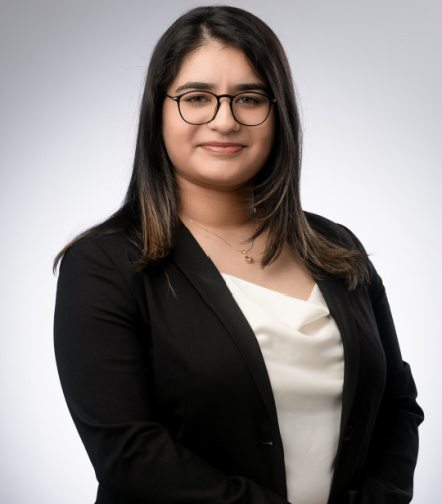
Radhika Malhotra is an Estate Manager with over three years of experience in insolvency administration and helping consumers with solutions to deal with debt. Radhika’s goal is to help her clients get back on track with confidence, and without debt’s limitations holding them back. As she describes, “…a financial ‘reset’ can allow people the space to focus on other important things in their lives, and not just always thinking about their debt.”
Radhika’s number one piece of advice for people seeking help with their debts:
“Debt can happen to anyone, please don’t feel embarrassed if debt is a burden in your life. The important thing is to recognize the opportunity to improve the situation – financially and for yourself.”
Connect with Radhika today to discuss your options during a free, confidential, one-on-one consultation.
Contact Radhika to set up your appointment.
With local offices across BC, we offer debt-free plans to help you find peace of mind. In less than an hour we can assess your financial situation and give you a plan to be debt-free. Book your free consultation today with one of BC's Trustees in Bankruptcy and Debt Consolidation.
Book your free consultation
Copyright © 2024 E. Sands & Associates Inc.
An Association of Corporations
Licensed Insolvency Trustees. All Rights Reserved.