 You owe it to yourself
Get A Financial Fresh Start
Book your free consultation with one of our experts and start living a debt-free life.
Sands & Associates is here for you, debt smart with heart

You are not alone, we’re here to help.
You have options to move forward with your life, without debt.

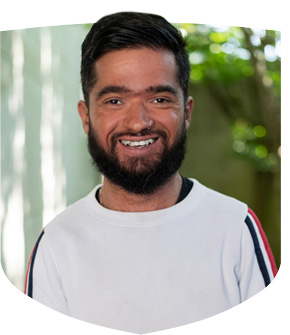


Meet some of the people whose lives have been changed working with Sands & Associates.


From credit card debt to income tax debt, payday loans to student loans and more – Sands & Associates helps people assess their options for getting out of debt. When you connect with a caring professional at Sands & Associates we will take the time to understand your situation, hear your concerns and goals, and assess all the debt options available to you. We’ll help you learn about specialized debt consolidation with Consumer Proposals, how Personal Bankruptcy works and more.
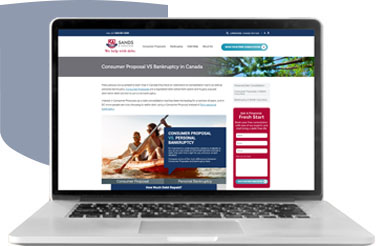

You may feel overwhelmed and hopeless, but you have choices in how to deal with your debt – we want to help you take back control and make an informed decision about your future. Knowing is not owing!
We can help you implement debt solutions that suit your needs: consolidate and cut virtually all types of debt without borrowing, have your debts written-off and forgiven, get protection from creditors, or interest-free debt repayment – your debt-free plan starts here.
Sands & Associates’ Licensed Insolvency Trustees stop your debt-stress so you can move forward with confidence, debt-free. You deserve a financial fresh start!
No matter what circumstances caused the debt problem, we believe you are entitled to live with dignity and without debt and its overwhelming stress. Sands & Associates’ qualified, non-judgmental professionals are dedicated to helping you understand your rights and remedies when it comes to debt, and providing professional solutions with empathy. We are proud to be described as “Debt Smart with Heart!”
Whether you decide to file Personal Bankruptcy, make a Consumer Proposal to your creditors, or consolidate your debt, we want you to feel confident in the debt solution you choose and we believe our supportive approach to debt services has helped us become the award-winning firm of choice for people in BC since 1990.


A Consumer Proposal can consolidate and cut debt with no interest. Legally write-off virtually all consumer, business and even government debt by filing a Consumer Proposal.
Learn About Consumer Proposals
The decision to file for bankruptcy is yours – no creditor or other party can stop you from seeking the protection of bankruptcy in Canada.
Learn About Personal Bankruptcy
There is more than one way to consolidate debt. Debt consolidation options vary considerably depending on your situation.

Enter your total amount of debt (excluding mortgage and car loan) and we'll show you a list of options.
With local offices across BC, we offer debt-free plans to help you find peace of mind. In less than an hour we can assess your financial situation and give you a plan to be debt-free. Book your free consultation today with one of BC's Trustees in Bankruptcy and Debt Consolidation.
Book your free consultation
Copyright © 2024 E. Sands & Associates Inc.
An Association of Corporations
Licensed Insolvency Trustees. All Rights Reserved.